About ESBA
The East Spokane Business Association is committed to ensure community and economic revitalization for the benefit, enjoyment and pride of all Spokanites through a belief in hard work, risk taking and a positive vision for our area. Together we can make this happen.
ESBA's Mission
At the East Spokane Business Association, our mission is clear: To support the East Spokane Business District by preserving and improving its unique facilities, infrastructure, and commercial interests.
Join A Member Meeting
Monthly Meetings
4th Wednesday of the Month
Sprague Union Terrace Building
1420 E Sprague Avenue (enter at back)
12:00 pm - 1:00 pm
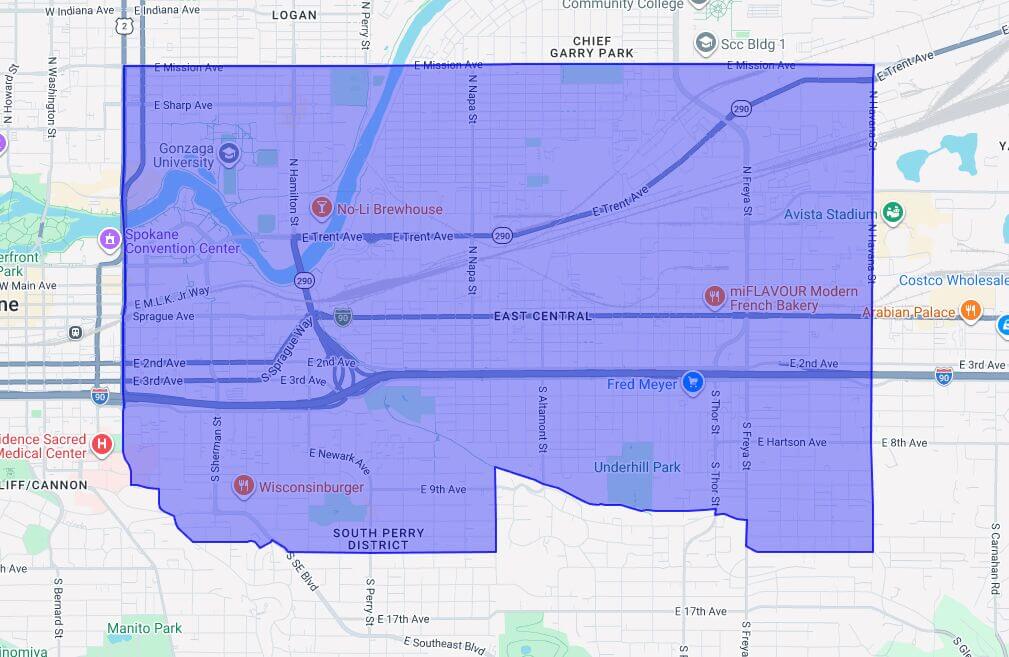
ESBA's Boundaries
ESBA's boundaries include:
- On the North - Mission Avenue
- On the South - 13th Avenue
- On the East - Havana Street
- On the West - Division Street
Leadership

Barbara Woodbridge
President

Wendy Fishburne
Vice President

George Demakis
Treasurer

Jake Swartz
Secretary

Doug Trudeau
Past President

LaVerne Biel
Executive Director
Jim Hanley
Board Member

Cyndi Lane
Board Member

Drew Ulrick
Board Member
Don’t just watch Spokane grow. Help shape it.
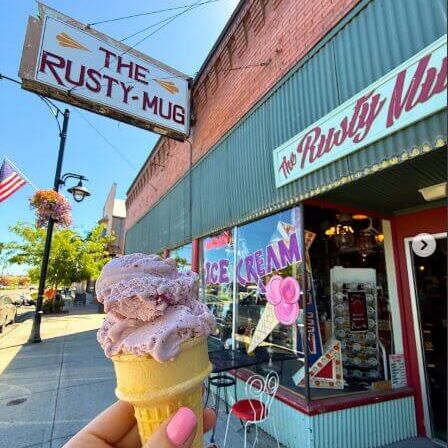
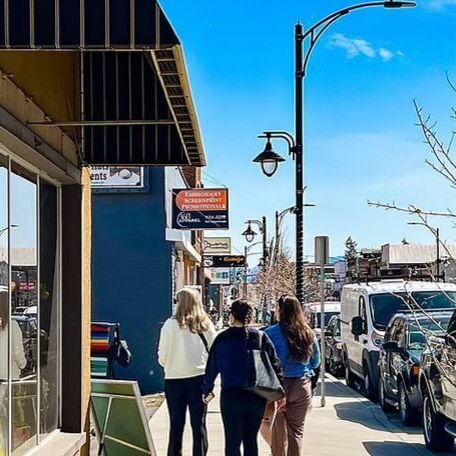
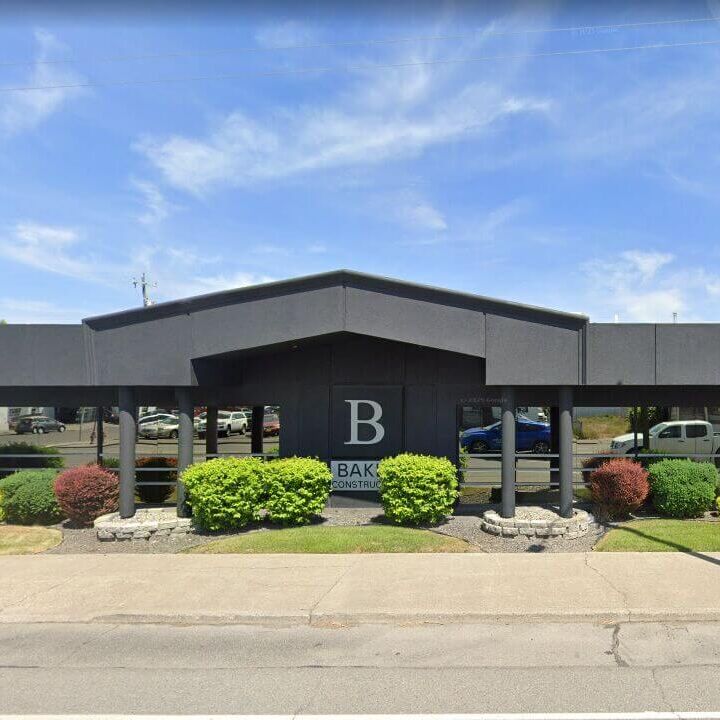
Shop, Dine & Do Business in East Central
The History of ESBA
History of the East Spokane Business Association
The East Spokane Business Association, or ESBA, was officially established on April 8, 2003 by local business owners and property owners who believed East Spokane needed a strong, organized voice. Its original focus was the East Sprague corridor, an area rich in commercial history but facing years of disinvestment, crime, deteriorating infrastructure, and negative public perceptions.
From the beginning, ESBA’s purpose was larger than promoting individual businesses. The association was created to advocate for neighborhood investment, protect commercial interests, improve public safety, and build productive relationships with the City of Spokane, elected leaders, law enforcement, universities, and community organizations. Its broader boundaries extend from Division Street to Havana Street and from Mission Avenue to 13th Avenue.
Early advocacy and public safety
One of ESBA’s earliest priorities was confronting the open alcohol use, prostitution, crime, and street disorder that had become deeply associated with portions of East Sprague. ESBA brought businesses and property owners together to clearly communicate what the district needed from city government.
That advocacy helped secure the designation of portions of the area as an Alcohol Impact Area and an Area of High Prostitution Activity, bringing greater enforcement attention and additional law-enforcement resources to the corridor.
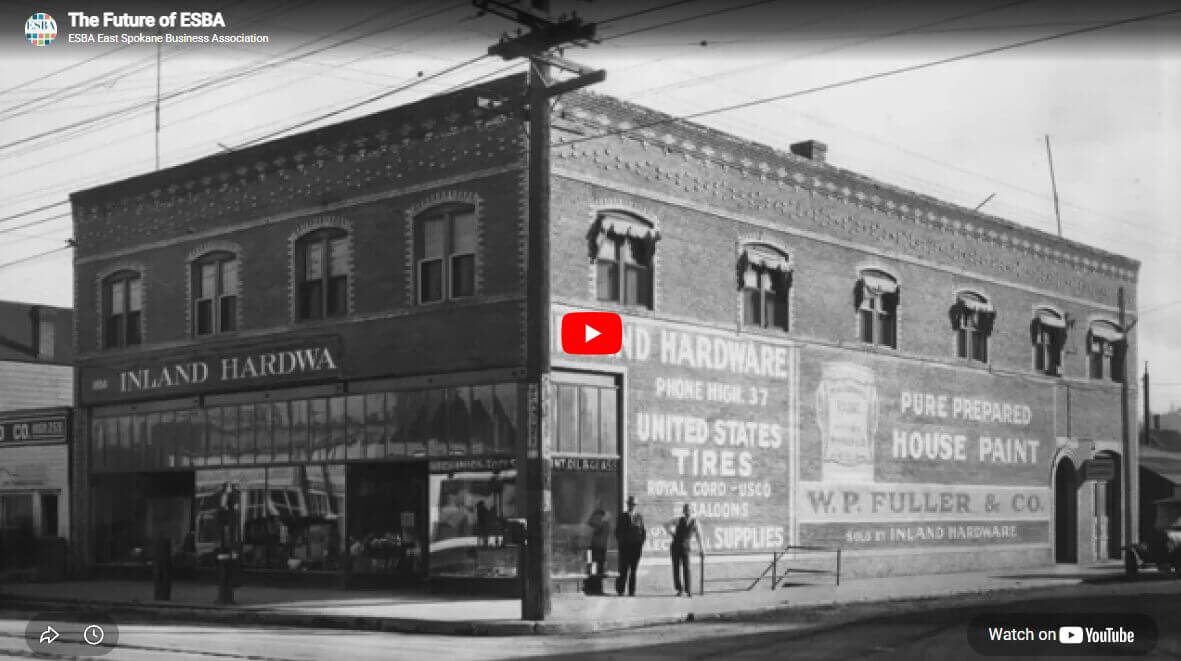
This work mattered because East Sprague had once been a thriving commercial route connecting downtown Spokane with communities to the east. The construction of Interstate 90 in the 1960s divided the East Central neighborhood, displaced residents and businesses, and pulled traffic away from Sprague Avenue. In the decades that followed, the corridor endured economic decline and became increasingly associated with criminal activity and neglect.
Building a plan for revitalization
ESBA worked with the City of Spokane, Washington State University, Eastern Washington University, elected officials, neighborhood leaders, and community organizations to create strategic plans for the district. These partnerships helped move East Sprague from scattered concerns toward a coordinated vision for infrastructure, safety, economic development, and neighborhood identity.
The association became a consistent advocate for:
- Street and infrastructure improvements
- Public safety and responsive enforcement
- Beautification and property maintenance
- Business recruitment and retention
- Investment in vacant or underused properties
- A stronger identity for the East Sprague corridor
Creation of the business improvement district
A major milestone came in 2016, when ESBA worked with local property owners to establish the East Sprague Parking and Business Improvement Area, commonly called the East Sprague Business Improvement District or BID. Establishing it required support from at least 60 percent of the property owners within the proposed assessment area.
The BID created a dedicated, property-owner-funded mechanism for supporting economic development, safety, beautification, marketing, and neighborhood revitalization. It generally centers on Sprague Avenue between Hamilton and Smith streets and is managed by ESBA with guidance from a ratepayer advisory board.
Becoming the Sprague Union District
After the BID was established, businesses, residents, and property owners participated in selecting a new identity for the area. The name Sprague Union District was chosen to honor the corridor’s history, including the former Union Park area and its roots as a working-class manufacturing and commercial district.
The community also selected a new logo and visual identity for district flags, marketing materials, websites, and neighborhood promotions. The rebranding was more than cosmetic. It signaled that the district was no longer willing to be defined solely by the struggles of its past.
ESBA today
In 2024, ESBA became a Strategic Partner with the Spokane Business Association, strengthening its administrative support and connecting East Spokane businesses with broader citywide advocacy. ESBA continues to maintain its own leadership and identity while working through SBA to amplify neighborhood concerns and engage decision-makers.
Today, ESBA represents businesses, commercial property owners, residents, and community partners throughout East Spokane. Its mission remains rooted in preserving and improving the district’s infrastructure, commercial interests, public spaces, and distinctive character.
Its history is ultimately a story of businesses refusing to abandon their neighborhood. ESBA was built by people who saw East Spokane not as a lost cause, but as a place worth defending, rebuilding, and believing in.
Watch ESBA's History Unfold